Inside the Mail Car: How Clerks Sorted Letters for Hoosier Towns
When we study the postmarks left by railway post offices, we tend to focus on the marks themselves. It is just as interesting to ask what happened inside the car. A mail clerk working on a moving train had to sort hundreds of letters an hour, keep track of where the train would stop next and do it all while the car swayed on the rails. For Indiana, with so many lines meeting at Indianapolis and other junctions, this work was part of daily life for generations.
The distribution case
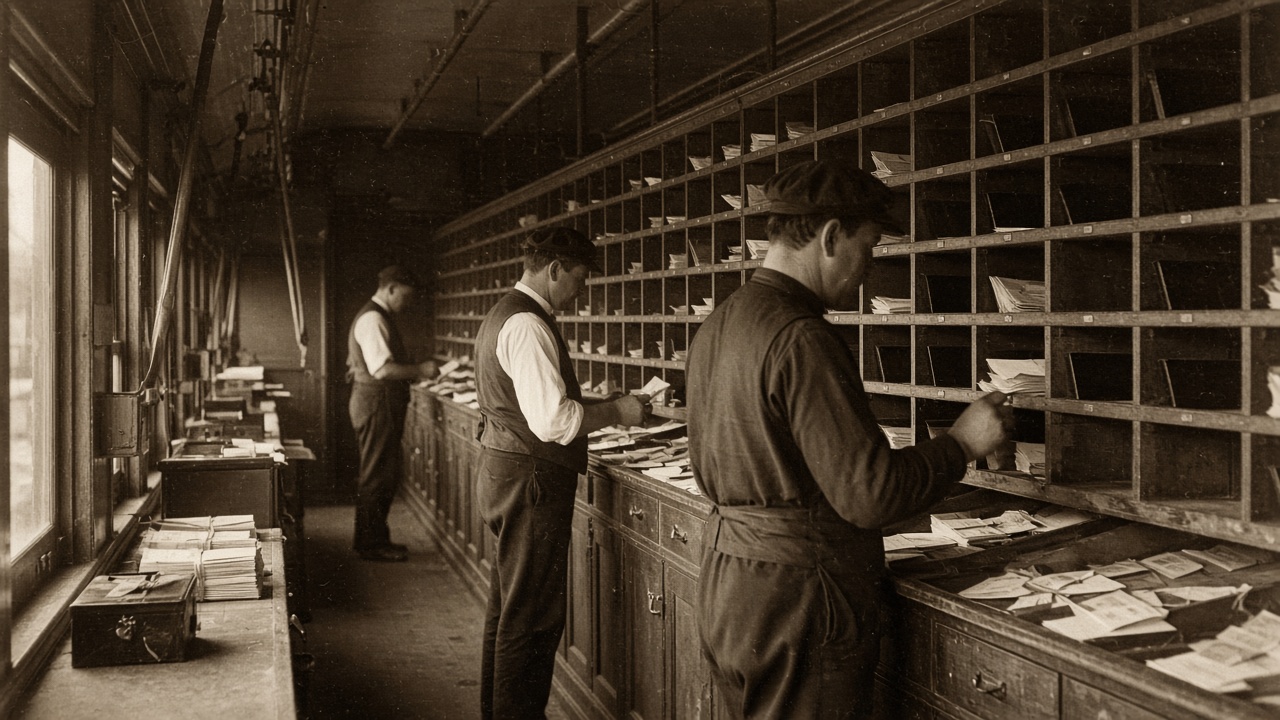
The centre of the mail car was the distribution case, a wall of small open compartments known as pigeonholes. Each hole stood for a town, a route or a group of towns. A clerk standing in front of the case took a letter, read the address and tossed it into the correct hole with a quick motion. Letters for the next stop went into one place, letters for a connecting line into another, and anything that had to go to a larger office was sorted into a bundle for it.
The case was arranged to match the train's run. A clerk on a line crossing Indiana would have labels for the towns ahead, for branch lines and for the junctions where mail was transferred. When the route changed, the labels changed too.
Learning the scheme
The most impressive part of the job was the knowledge it required. Railway mail clerks were expected to memorise a sorting scheme: a list of post offices and the routes or pouches that served them. They were tested on this knowledge, and a clerk who could not pass the examination faced serious consequences for their career. The work demanded speed, accuracy and an excellent memory, and many clerks took pride in being among the best-trained employees in the postal service.
Pouches, sacks and the mail crane
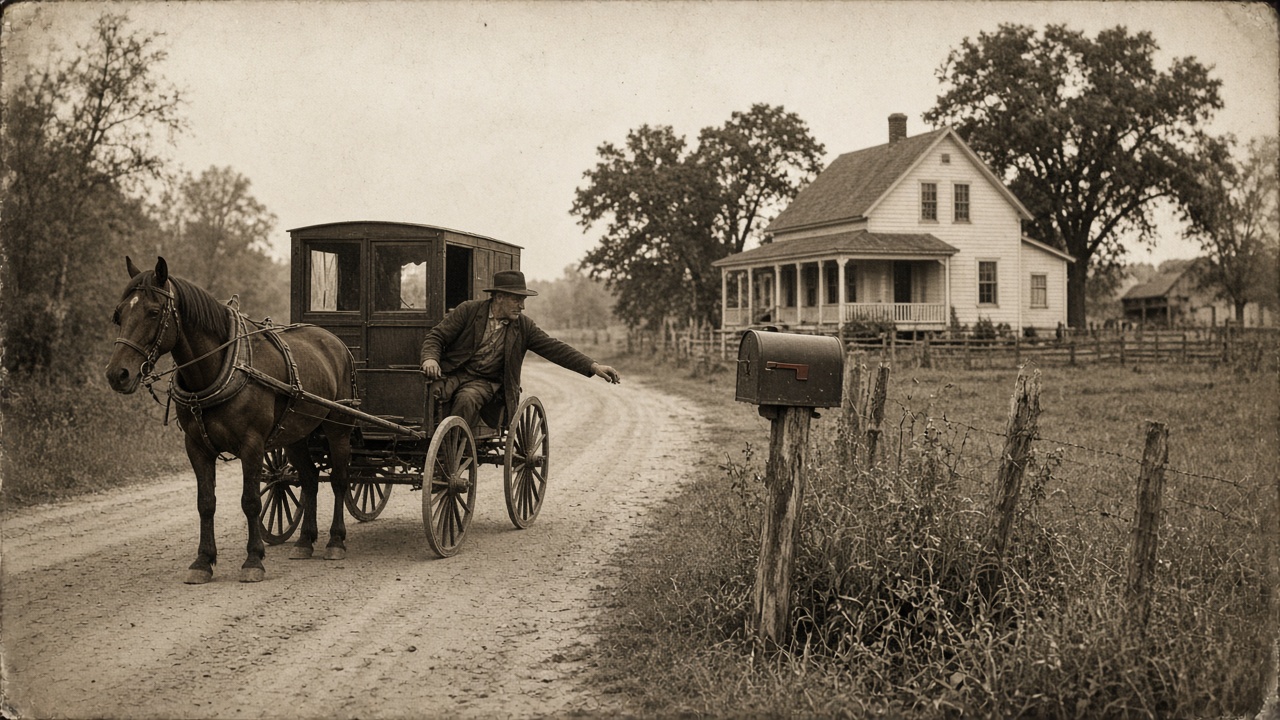
Sorted letters were tied into bundles with a label and placed in a leather pouch or a canvas sack. Mail for an office that the train would not stop at could still be delivered. A bag was hung from a mail crane beside the track, and a hook on the car snatched it as the train passed. In the same way, the clerk could throw out a pouch at speed, to be collected by a local postmaster. These exchanges were done at night and in bad weather, and accidents did happen, which is one reason the work was considered hazardous.
What this means for covers
For the collector, the process explains several features that appear on covers:
- Speed of transit. A letter mailed in the evening at a small Indiana town could be sorted overnight on a train and arrive at a distant city the next morning. Dated markings from the car show this.
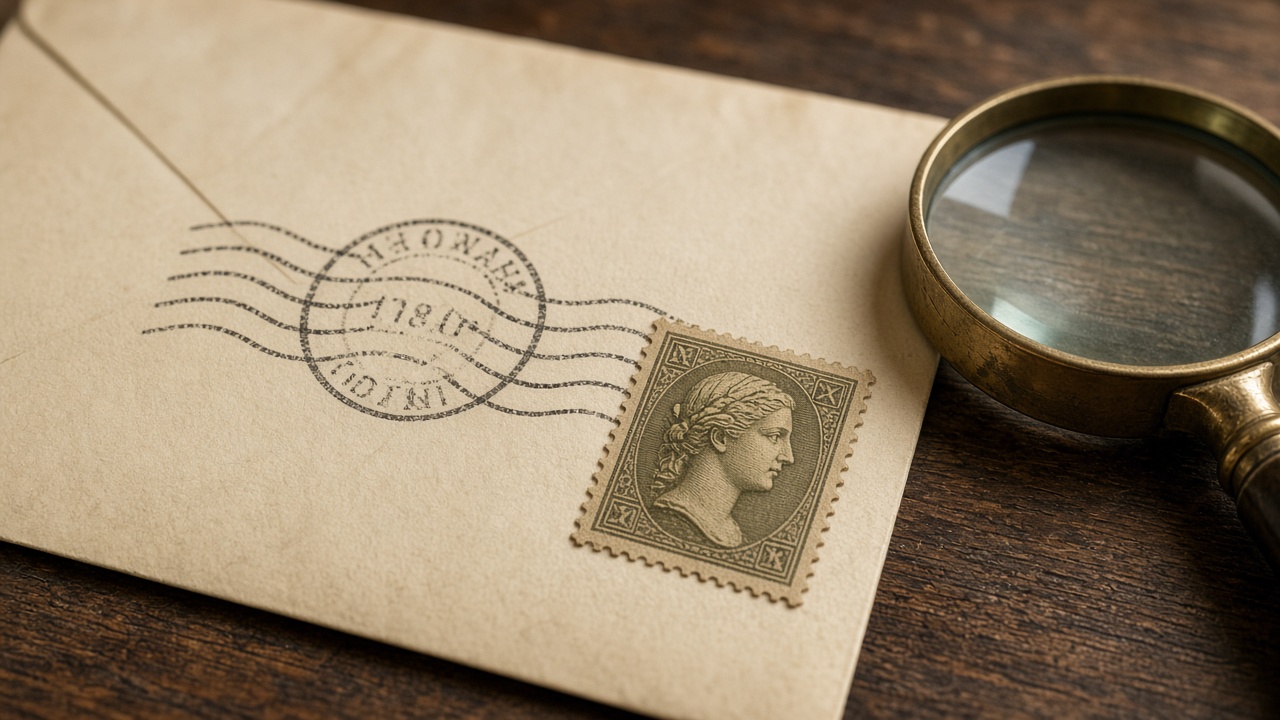
- Multiple markings. A cover might carry a town postmark where it was mailed, a railway marking from the car and a receiving mark at the destination. Together they form a timeline of the journey.
- Misrouted mail. Letters with an unclear address sometimes show extra marks from a clerk who forwarded them. These are often the most interesting covers in a collection.
The decline of the mail car
Trucks, highways and air transport gradually took over from the railway. The United States ended its railway post office service in 1977, and with it the sight of clerks sorting letters on a moving train. The cars have mostly disappeared, but some are preserved in museums and a few still run on tourist railways. In Indiana, many old depots still stand in town centres, a reminder of how the mail once arrived.
Collecting the story
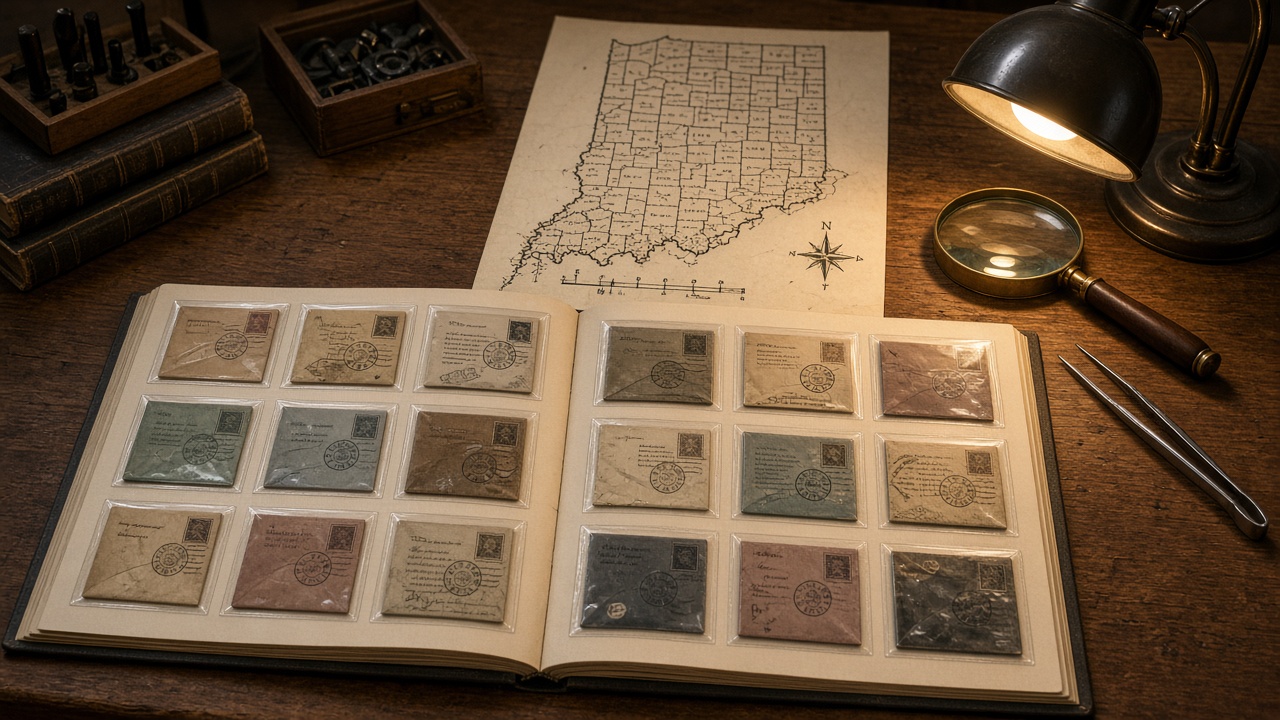
If this topic interests you, consider collecting not only the markings but the paperwork around them: schemes, timetables, clerk badges and photographs of the cars. A single photograph of a clerk at the case can make a drawer of postmarks easier to understand. The next time you hold a cover marked with a train route, you may find that you can imagine the sound of a car, the swing of the lamp and a clerk's hand moving quickly from a letter to a pigeonhole.