The Rural Carrier's Wagon and the Roadside Mailbox in Indiana
Today a rural mailbox is a familiar object. Over a century ago it was a novelty that changed life on Indiana farms. Rural free delivery brought mail to the farmhouse door, or at least to the end of the lane, and that service required two things: a carrier who could travel in all weather and a box in which the mail could be left. This article looks at the people and equipment that made the system work.
The carrier and the wagon
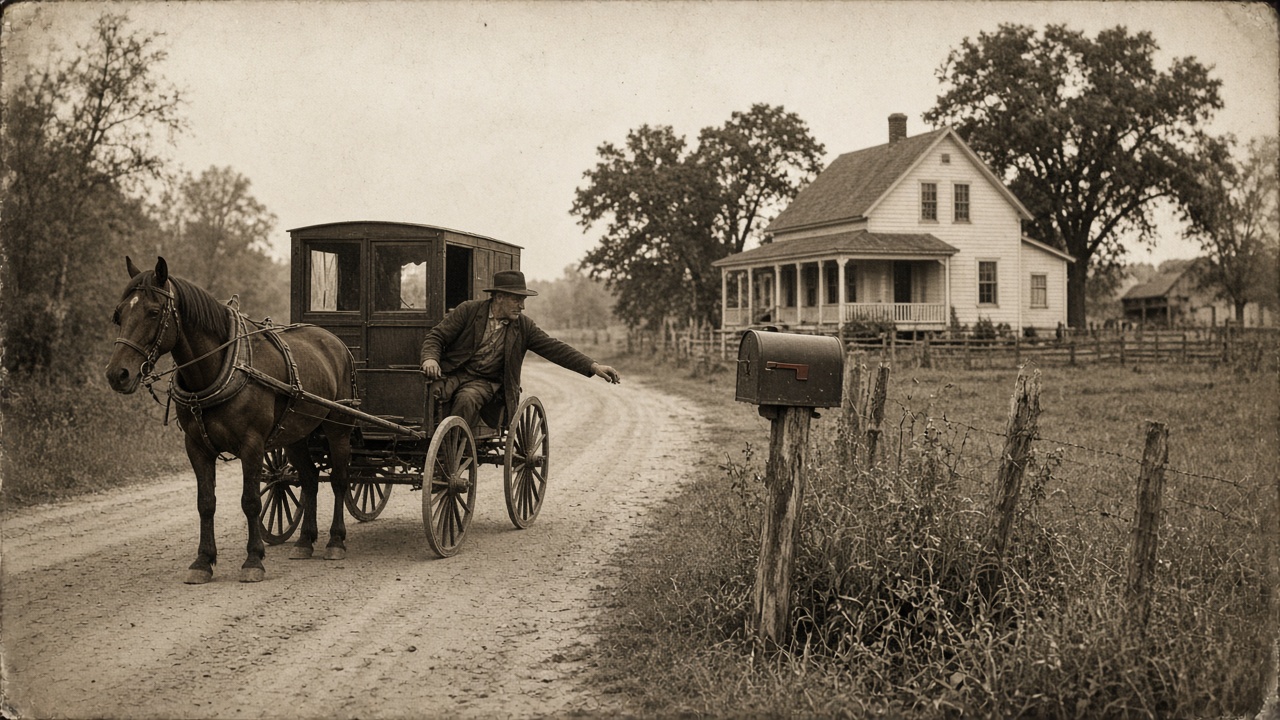
When rural free delivery was introduced in the late 1890s and became permanent in the early 1900s, rural carriers were generally expected to provide their own transport. Many used a horse and a light wagon or buggy. Roads were often unpaved, and in Indiana a spring thaw could turn a country road into mud. In winter, carriers might swap the wheels for runners and drive a sleigh instead. Some built enclosed wagons with a small sorting shelf inside, so that they could arrange the mail for each stop as they went and keep it dry in the rain.
A route could be many miles long, and a carrier might serve a hundred or more families. Horses were a major expense, and it was common for a carrier to keep a spare in case one went lame. The job was demanding, but it was steady, and it gave rural families a connection to news, catalogues and letters that earlier generations had to walk to town to collect.
Why the box mattered
The roadside mailbox allowed the carrier to deliver without leaving the wagon. Early boxes were homemade from wood or metal, and they came in every shape imaginable. The Post Office Department required boxes to meet minimum standards so that they were safe, weatherproof and easy to reach from a wagon seat. A standard design was approved in the early twentieth century, and the familiar rounded-top box came into wide use after that. Many farm families mounted the box on a post, a fence rail or a stump at the end of their lane, and a few built decorative holders that matched their farm.
Signals and rules
Customers used the box to send mail as well as receive it. A flag raised on the side told the carrier that outgoing mail was waiting inside. Carriers sold stamps, accepted money-order requests and took letters to the post office, which made the wagon a small post office on wheels. The regulations also set out what a box could and could not hold, and an unapproved box could lead to a visit from the postmaster.
Traces on covers and ephemera
Rural delivery left several clues that collectors can find:
- Route and box numbers. Addresses on covers often include "R.F.D. No. 2" or a similar number. These tell you which rural route served the recipient.
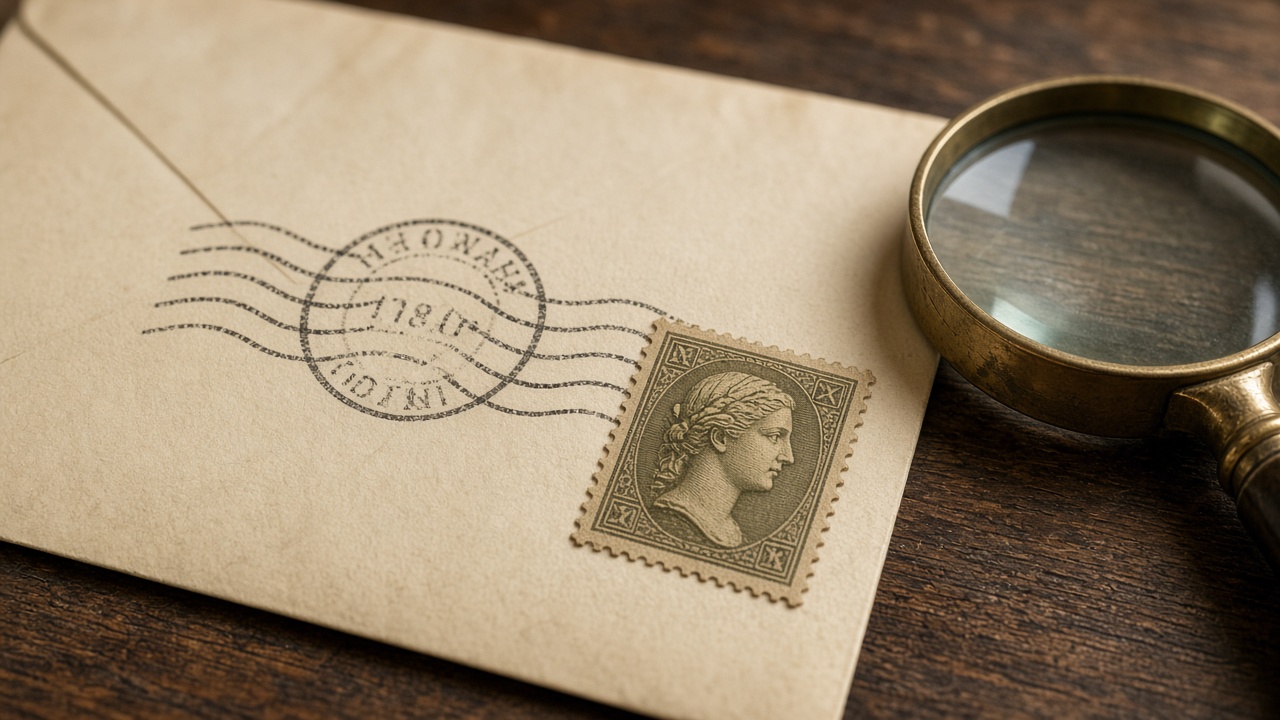
- Postmarks of the parent office. Rural mail was handled by a town post office, so the postmark identifies where the route started.
- Advertising and local envelopes. Farm-supply and seed companies mailed catalogues to rural customers, and their return envelopes can be good additions to a collection.
- Photographs and postcards. Real-photo postcards of carriers beside their wagons are popular, and Indiana examples record both the people and the equipment.
The end of the wagon era
As roads improved, motor vehicles replaced horses on many routes. The change did not happen overnight; some Indiana carriers used wagons or sleighs through bad winters well into the motor age. The roadside box stayed. Today it remains one of the most recognisable symbols of rural America, and an old galvanised box still standing at the end of a lane may be nearly as old as the route it served.
Whether you collect covers, photographs or the history of a single county, rural delivery is a rich theme. A good place to begin is the local library, where county histories often name the first carriers and describe their routes. A name found there can lead you to the covers addressed to the families they served.