Rural Free Delivery and the Small-Town Indiana Post Office
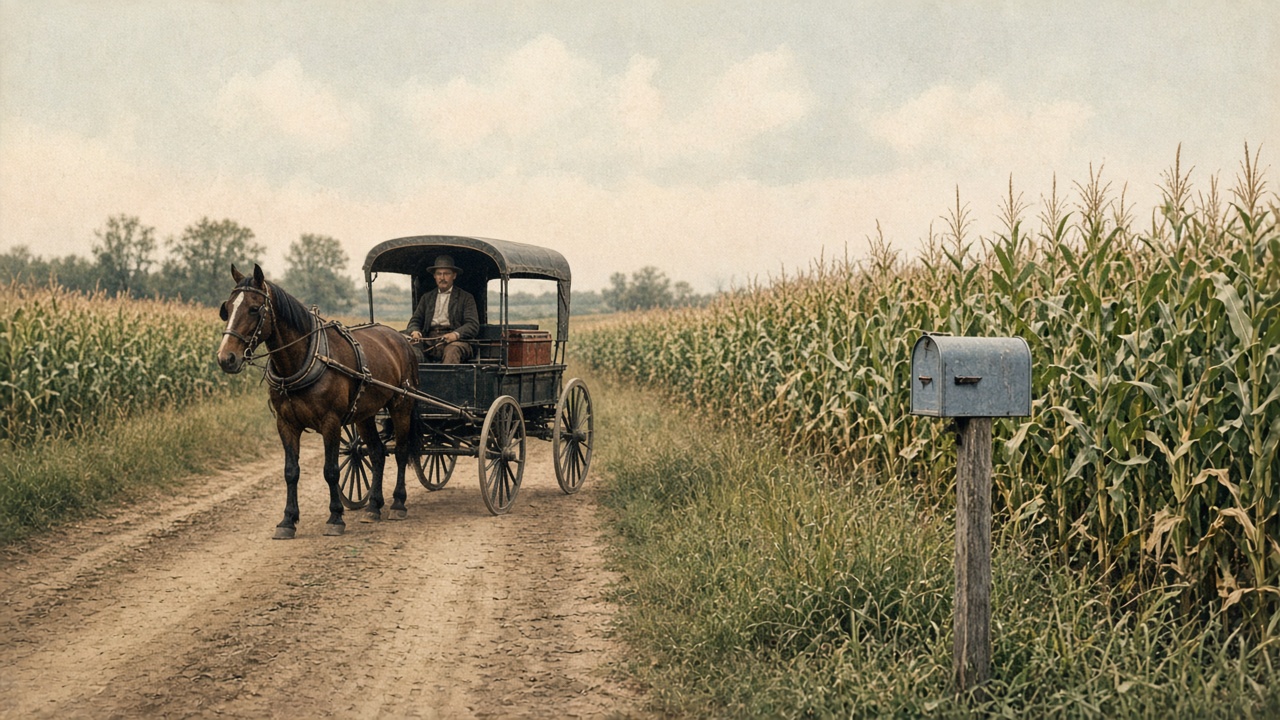
For most of the nineteenth century, if you lived on a farm, you went to the post office. You rode to the crossroads store or the village depot, picked up your letters and newspaper, and rode home. Rural Free Delivery, or RFD, turned that around by bringing the mail to the farm gate.
From experiment to permanent service
The Post Office Department started trial rural routes in 1896, and the service was made permanent in 1902. Indiana's densely settled farm country was well suited to it, and routes multiplied quickly across the state in the first years of the twentieth century. Carriers drove wagons and buggies, and later automobiles, along dirt roads in every season.
What it did to small post offices
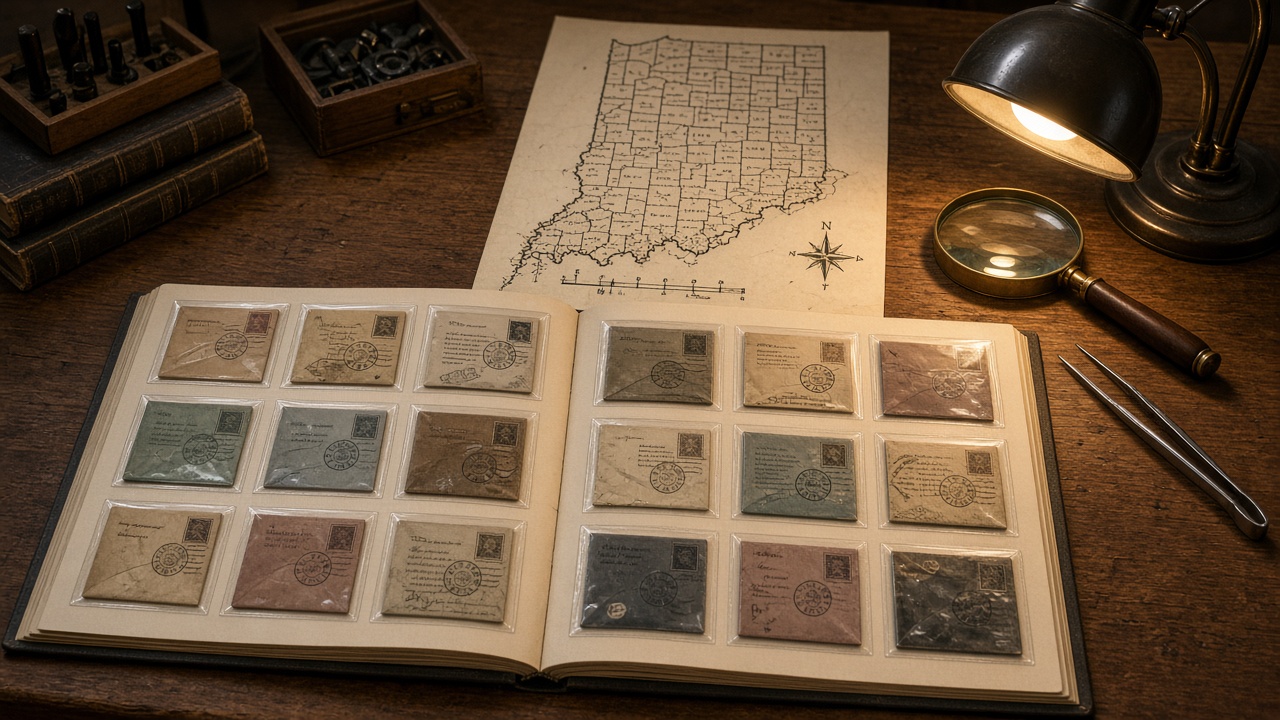
When carriers could reach farms directly, the many small fourth-class post offices lost their reason to exist. Hundreds of Indiana village offices closed over the following decades, and their names often survive only on old covers. That is part of the appeal: a postmark from a vanished office is a record of a place that no longer has a post office, and sometimes no longer has a name on the map.
RFD in the collection
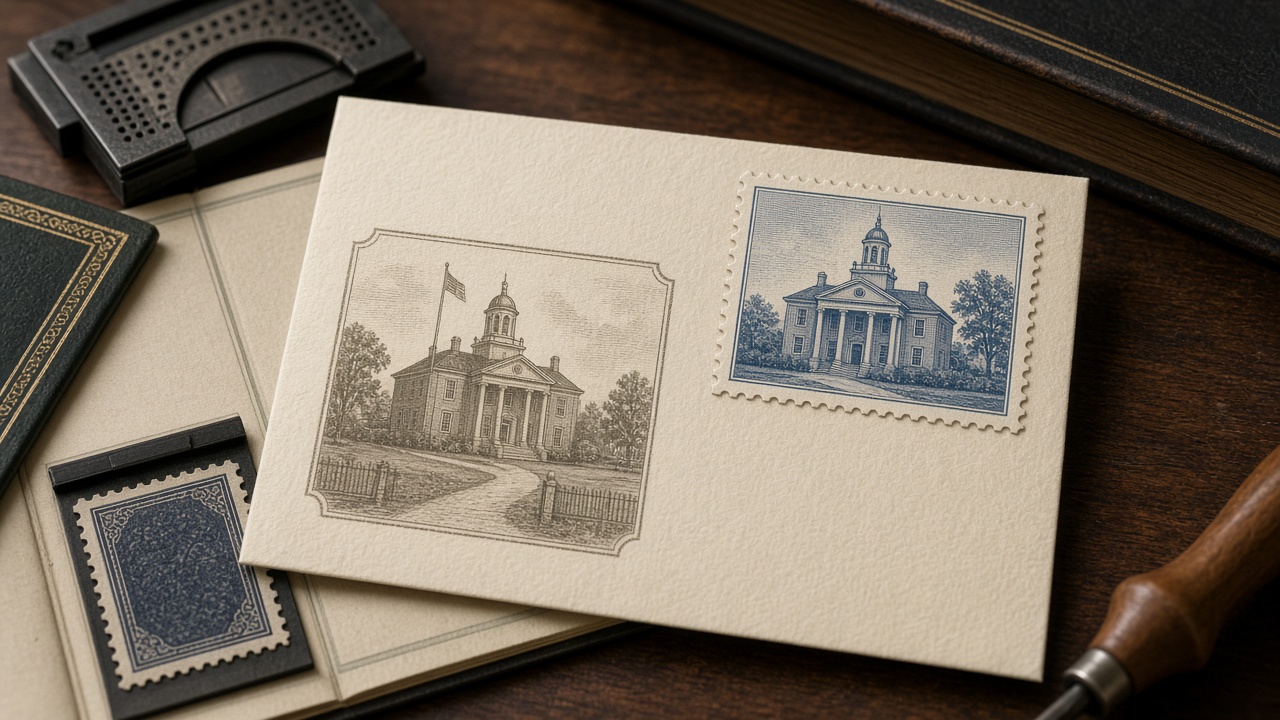
- RFD cancels. Covers and postcards with route and number markings show the service in action.
- Real photo postcards. Photographs of carriers with their wagons, mailboxes and routes are widely collected and often locally identified.
- Closed offices. A county-by-county list of discontinued offices makes a ready checklist, and each tick is a small hunt.
The standard rural mailbox, installed on a post at the roadside, has become a symbol of the whole system. It is a small object that records a large change in how Hoosiers communicated.